

Let The Fun Ones In
Your next party crasher may be the one you invited


Imagine, dear reader: the perfect party. The lighting is low and moody, the decor understated and classy. The champagne is top shelf, charcuterie boards glittering with tasty morsels. Your main course wows. Dessert is a triumph. Most importantly, the guest list is finely tuned. Everyone gets along. You discuss the weather. No surprises, no one squabbles, everyone leaves happy. As you close the door on your final guests and pour yourself a nightcap, you replay the evening. It hummed along pretty well, so why does something feel missing? Was it memorable?
Humbly, allow me to offer a note on your oh-so-perfect party. It wasn’t the food, the decor, the drinks, or the music. It wasn’t your carefully crafted guest list. They’re lovely people, after all. So why aren’t your friends replaying the night as soon as they get home? Why aren’t your coworkers talking about the evening on Monday morning?
The answer isn’t what you did, or even who you invited. It’s who you didn’t invite.
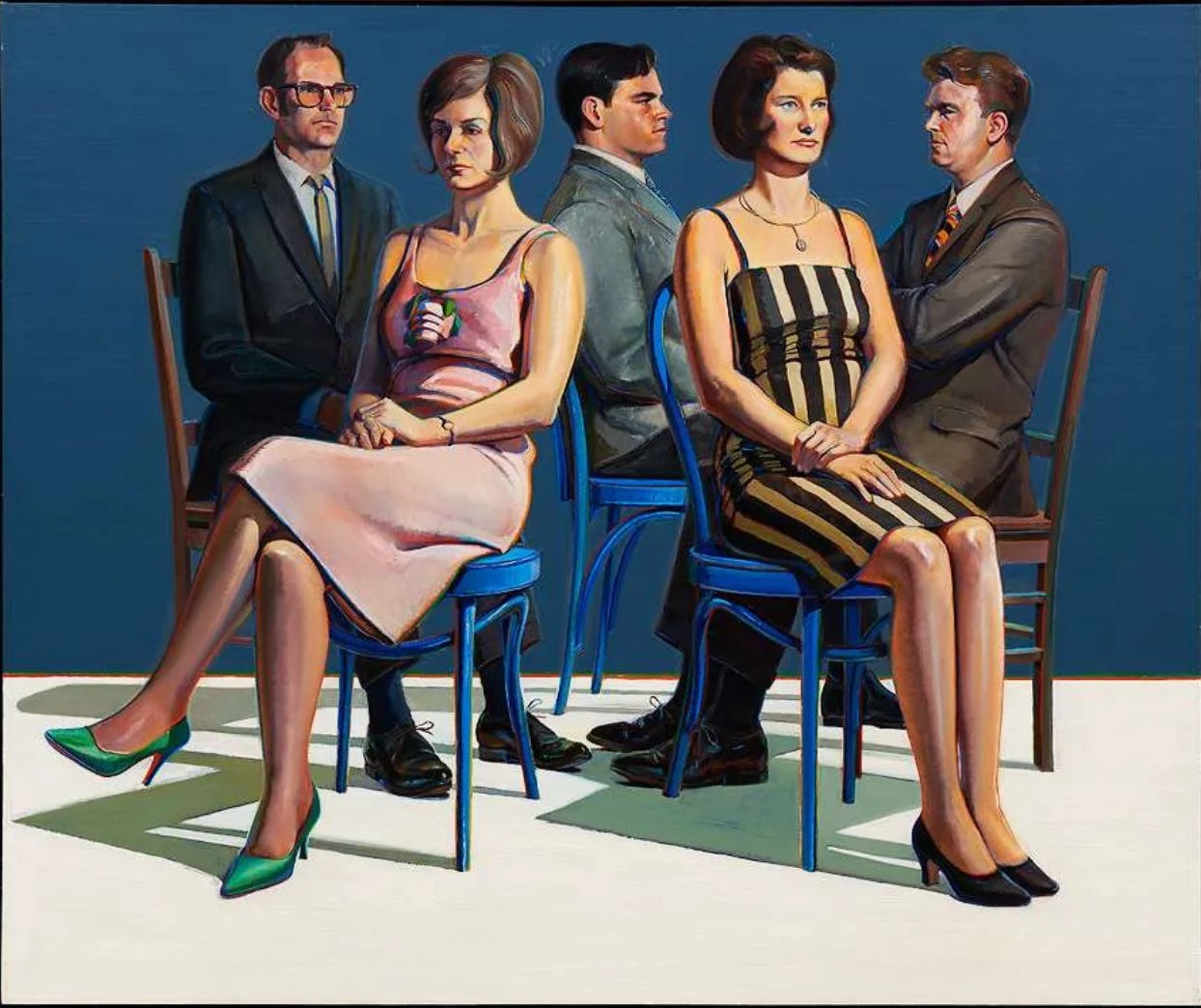
Enter the subject of this article: what the writer Joseph Campbell called “The Herald”. In his landmark interview on storytelling, The Power of Myth, Campbell identified the Herald as the catalyst of chaos, the figure who enters ordinary life and upends the expected, planting the seeds for exciting and unpredictable events. The Herald wears many masks: the trickster (Kramer in Seinfeld, Loki in Norse mythology), the rebel (the Grinch from Dr. Seuss), the cynic and truth-teller who shatters the comfortable monotony of well-worn relationships (Chandler in Friends, Chloe in The Big Chill). Campbell’s point is that there is no compelling story without a challenge to our perceived norms. I submit that there is no truly memorable party without one either. You need to invite the mischievous, the loud, the unfiltered, and the dramatic people in your life if you want to throw a gathering that everyone remembers.
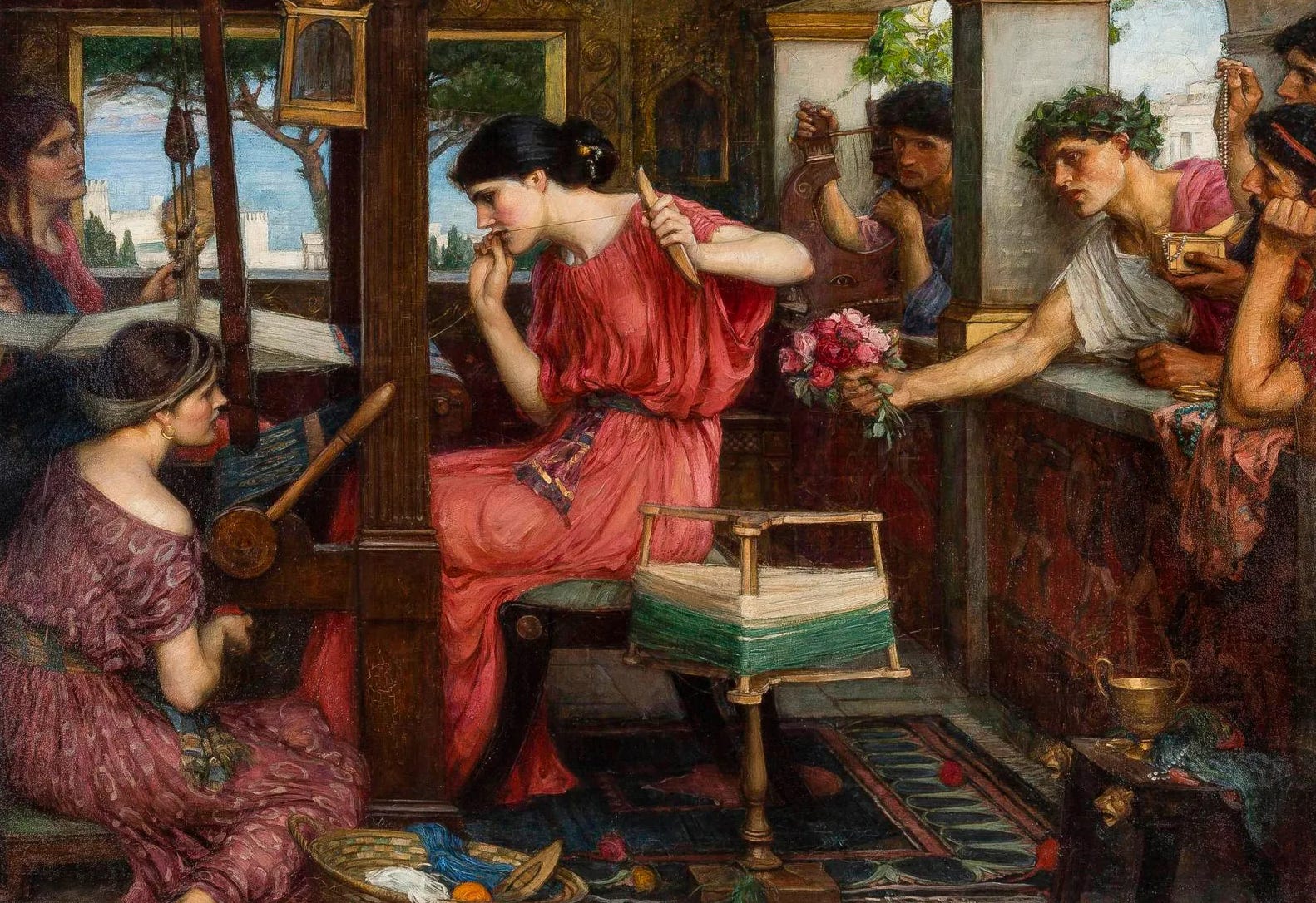
Imagine a party four years long, where every guest drinks all your wine, eats all your food, and crashes in your living room every night. Sounds awful, and yet it’s one of the most memorable stories of disruptive guests in all of literature, told and re-told for nearly 3,000 years. The guests (suitors of Penelope, Queen of Ithaca, who, assuming her husband Odysseus had died returning from the Trojan War) gathered in her home and made themselves comfortable while they vied for her hand and her throne. Homer describes them as a loathsome bunch. But what they do for the reader is illuminate the dignity, generosity, and cunning of their host. Penelope strings along 108 belligerent men for three years, weaving a burial shroud by day and secretly unraveling it by night, buying herself time for Odysseus to return. She does not cast them out. Rather, she plies them with food and wine keeping them entertained and distracted.
The story is memorable precisely because the 108 guests upend her home. Their chaos defines her as the model host.
We don't remember Penelope poorly for her unsavory guests. We admire her for how she handles them. So take this as your permission to let the rowdy guests come, to let a little wine spill and a glass break.
Handle it with aplomb and your other guests will see you as the gracious, capable host you are. Most importantly, they’ll have something to talk about on the ride home.
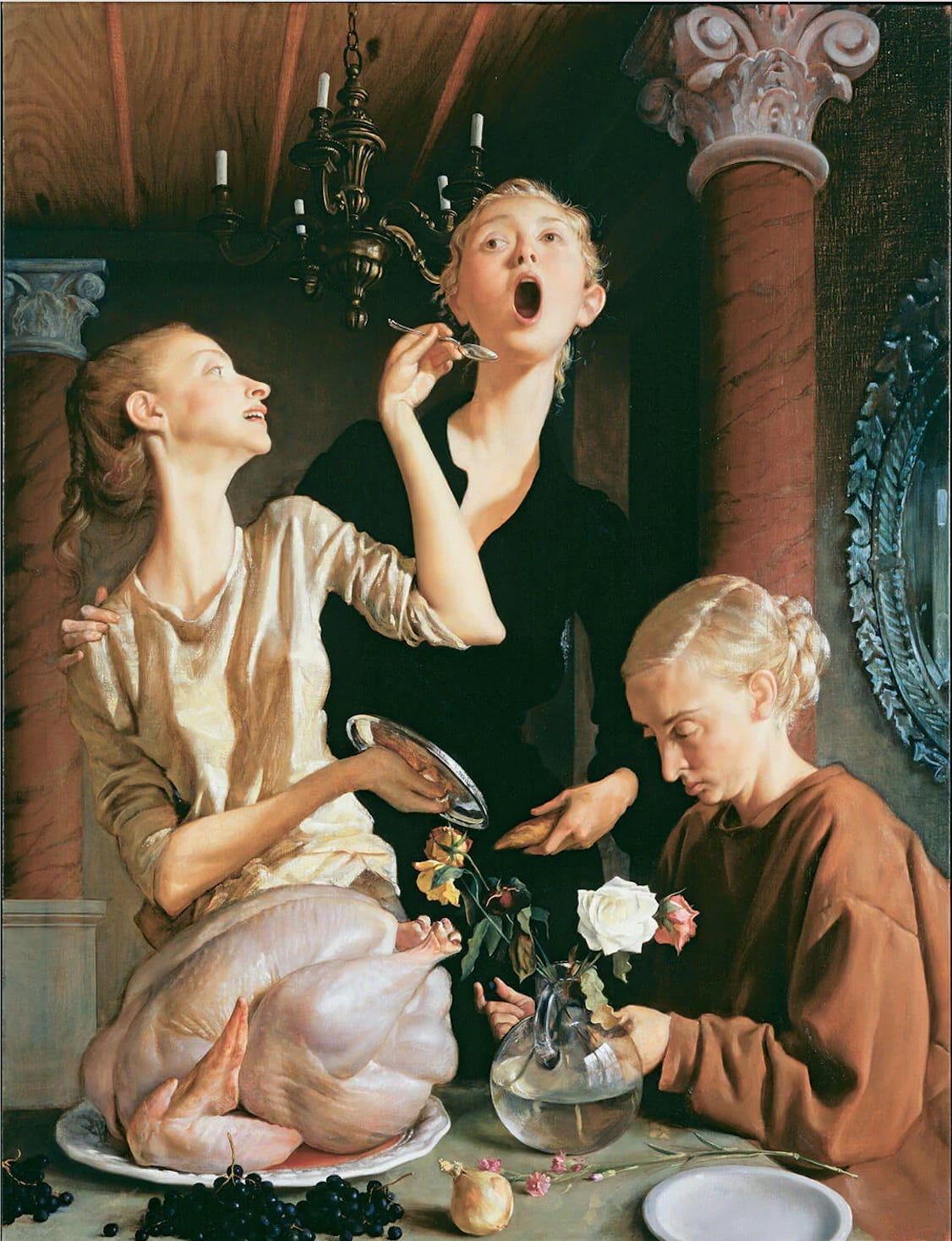
I remember my maternal grandmother Alice and my step-grandfather Garst as dramatic and chaotic figures from my early childhood. They were both fiercely intelligent and unconventional people and my family history is filled with lore from their adventures. When I was nine or ten years old my family and I were home when there was a knock at the door. A surprise guest showing up at nine in the evening, probably about when the kids should be in bed. It was Alice and Garst, unannounced and uninvited. They had decided to take a road trip to Missouri from their home in P.E.I., Canada, without telling my mom. As if this wasn’t enough, they came with two hitchhikers they had picked up along the way. I remember very little about the hitchhikers but I recall they were a couple, scruffy and younger than my parents. Alice and Garst seemed oblivious to why this might not be an ordinary homecoming. Couches were moved, inflatable mattresses filled, clean bedding found.
As far as I can recall the hitchhikers were gone by morning, but it has always stuck with me how patient and accommodating my parents were. They welcomed the strangers into their home.
It was a wild and memorable moment, illustrating how chaotic relatives and uninvited guests can make for a memorable night. I have mountains of stories about Alice and Garst, they were a hoot and the life of every party they ever attended.
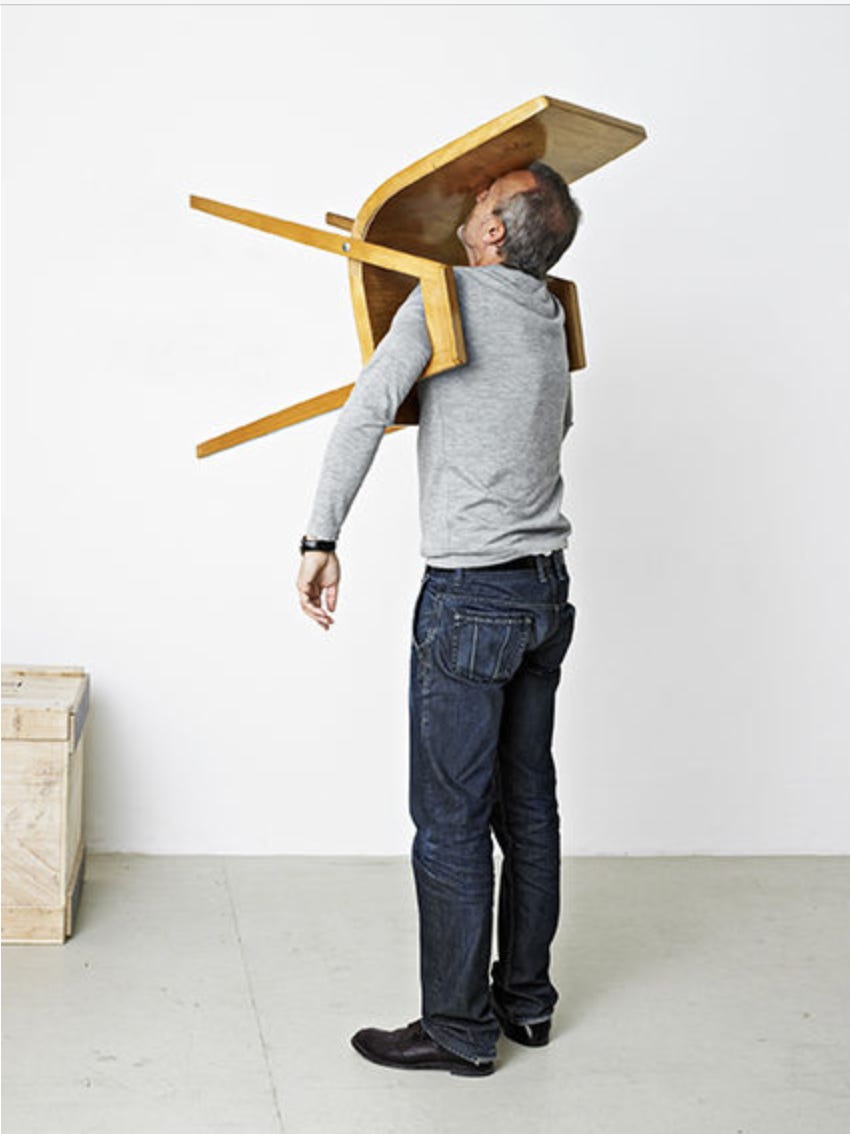
So sometimes your regular invitation list becomes a little too predictable. Everyone knows the same stories, everyone follows a similar routine. It’s time to let a little chaos into your home. Kramer never knocks, he lets himself into Jerry’s apartment like it’s his own, raids the fridge and brings over his friends and problems freely. Imagine Seinfeld without him and you have a clever man having a polite dinner alone. When we open our doors to the people who make our world bigger we give them permission to be themselves, and add the ingredients of memorable nights to our own lives.
We all have those friends who seem unfiltered, the ones who have the bravery, or the brashness, to speak their minds. Sometimes as hosts we shy away from inviting these truth-tellers. But when we gather a group of old friends it often helps to have a new face in the crowd. In The Big Chill (1983) a group gets together to remember an old friend who had recently passed away. It is the youngest among them, Chloe, who is our window into reality. While the other friends are clouded by nostalgia and conflicted with emotion, it is this young, direct outsider who speaks truth to the tragic experience. She only knew their deceased friend for a handful of months but her directness and unique perspective give us the clearest view into the one character we never get to see on screen. It is only because of her that the friends learn to look at their relationships with fresh eyes and renew their connections. For The Big Chill the guest with the fresh honest view is both a touchstone for unique and memorable experience and a way to breathe new life into old bonds.
If you will indulge me with one last example: for many of us, myself included, the happiness and comfort of our guests feels paramount. But that need to control, however well intentioned, is often misplaced. Most guests don’t need to be take care of.
Society thrives on the little conflicts of who sits where and what is said. Our lives are colored by the small amusements of the off-color conversation. In What About Bob? (1991) An obsessive patient, Bob, crashes the family vacation of his egotistical psychiatrist, Dr. Leo Marvin. In the ensuing madness it is the doctor’s family who adore the outsider Bob, charmed by his offbeat nature and neuroses. It’s only the unyielding psychiatrist who can’t seem to let go. The harder Dr. Leo tries to control his environment the more unhinged he becomes. It’s clear by the end that Bob was never the problem, and the family turns on the patriarch. So be flexible and let your party evolve naturally. Not every conversation should be conventional and not everyone has to get along. If a guest gets cornered by a beloved oddball, give them both the space to enjoy it. Your job is to curate a safe and welcoming place, not a conflict-free one.
Next time you make up a guest list don’t try to make it perfect.
A gracious host lets all kinds in and gives everyone space to explore. A little friction along the way just might be something worth remembering.
A note on whereabouts
Whereabouts hosts monthly events to create community and culture.
Whereabouts gatherings, in the rooms where the work happens.
Each gathering takes a discipline as its premise — quantum and art, a ceramicist’s studio, a working lab — and the room is curated person by person. We invite operators, makers, and thinkers chosen for what they pay attention to, and the work they bring with them.
Be in the room — or set it.
Join the list for future gatherings.
 | A guest post by
|